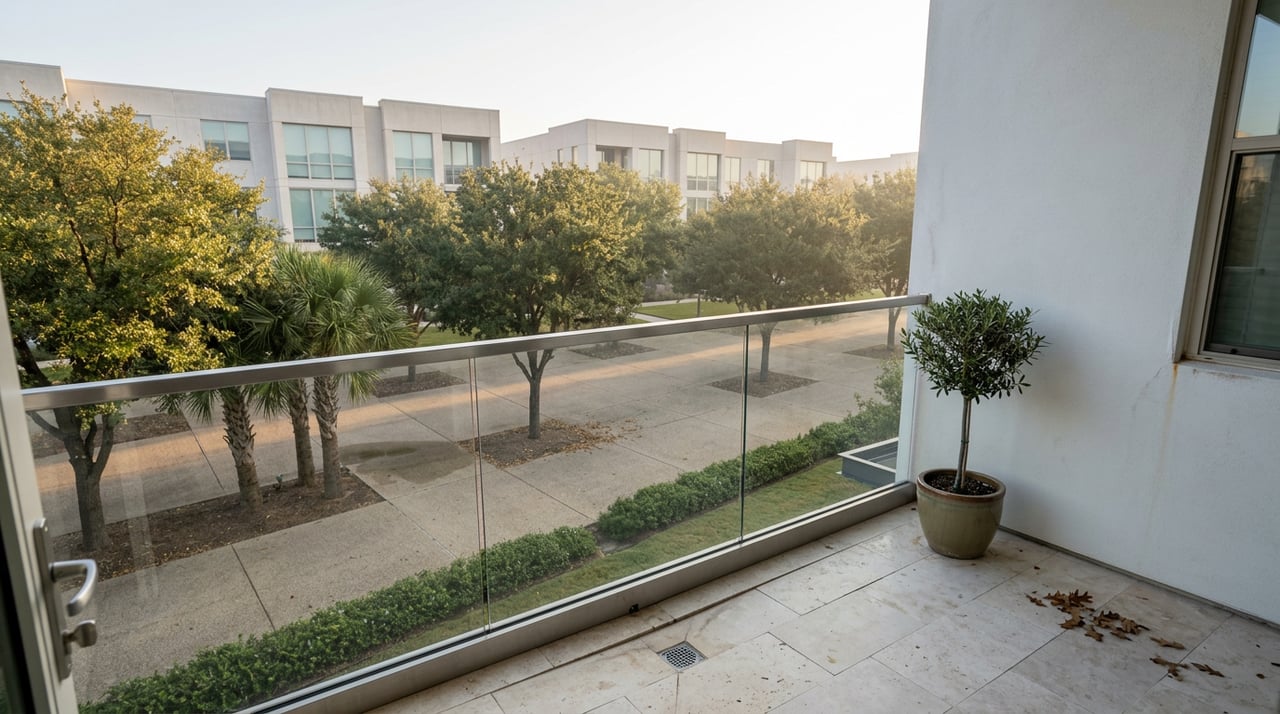
In the fall of 2025, a year after Hurricane Helene, a Treasure Island condo owner named Monica Pepe stood outside her unit at the La Costa Brava complex and described what recovery actually costs. She was still living somewhere else, still paying a mortgage on a home she couldn't occupy, and still covering the special assessments layered on top of both. Her story ran on local television as a recovery update. It also happens to be the clearest illustration on the island of a shift that most buyers and even some sellers haven't fully priced in: the reserve study sitting in a condo association's files now matters more to a sale than almost anything else in the listing.
For years, buyers treated a condo's financial documents as a formality, something the closing attorney handled while everyone focused on the view, the floor plan, and the walk to the beach. That's no longer accurate on Treasure Island, and understanding why changes how you should approach a purchase or a listing here right now.
The Document That Now Sets The Price
Florida's Structural Integrity Reserve Study, known as a SIRS, is a mandatory financial and engineering review for any residential condo building three stories or taller. It covers eight components that determine whether a building is structurally sound and properly funded to stay that way: the roof, the load-bearing structure, fireproofing and fire protection, plumbing, electrical systems, waterproofing and exterior painting, windows and doors, and any other item over the statutory cost threshold that touches those systems. Every owner-controlled association that existed before July 1, 2022, was required to complete its first SIRS by December 31, 2025. That deadline has already passed. A narrower exception lets associations that also have a milestone inspection due by December 31, 2026, complete both studies together, but that window closes at the end of this year with no further extension.
The milestone inspection is the companion requirement: a structural check performed by a licensed engineer or architect once a building turns 30 years old, or 25 if it sits within three miles of the coast, then every ten years after that. Where the SIRS asks whether the association is saving enough money, the milestone inspection asks whether the building is safe right now. Read together, they tell a buyer something no photo can: whether the price on the sign reflects a building that's actually paid for its own future, or one that's about to ask its owners to make up the difference.
That difference is not small. Associations that spent years keeping dues low by underfunding reserves are now legally barred from continuing that practice. As of January 1, 2026, a condo board can no longer vote to waive or reduce reserve contributions for the structural components a SIRS identifies. The bill for years of deferred saving is arriving as higher monthly assessments, special assessments, or both, and Treasure Island sits inside the exact corridor where this is playing out most, alongside Redington, Clearwater Beach, Sand Key, and Madeira Beach, where older three-story-plus buildings are concentrated along the barrier islands.
The Real Gate Isn't The Board, It's The Lender
Here's the part that catches buyers off guard even when they've done their homework on a building's reserves. A structurally sound condo with a clean milestone report can still be unfinanceable through a conventional mortgage, because the underwriting rules themselves changed in 2026.
Fannie Mae retired its Limited Review process for condo project applications dated on or after August 3, 2026, which means established buildings can no longer qualify for the lighter-touch review that many older Treasure Island associations used to rely on. Every project now needs a Full Review or a specific eligibility waiver. On top of that, Fannie Mae raises the minimum reserve allocation required for Full Review from 10 percent to 15 percent of a building's annual budgeted assessment income, effective January 4, 2027, with an alternate path available for associations meeting qualifying reserve-study standards. Freddie Mac has announced aligned changes.
| Before August 3, 2026 | After the 2026-2027 changes | |
|---|---|---|
| Review path for established buildings | Limited Review available | Full Review or waiver required |
| Minimum reserve allocation | 10% of budgeted assessment income | 15% starting January 4, 2027 |
| Effect on buyers | Financing largely followed the building's basic paperwork | Financing now depends on the building clearing a specific reserve threshold |
The practical result is a split market. A building that passed its milestone inspection and has a properly funded SIRS in place clears Full Review without much friction. A building that's still catching up on reserves, even one with no active safety concerns, may fall short of the new threshold and become effectively cash-buyer-only until its funding plan catches up. That's a different kind of risk than the one most buyers are watching for. It has nothing to do with whether the building is safe. It has everything to do with whether a bank will lend against it.
Seven Days, Not Three
Florida also changed how much time a resale condo buyer gets to review these documents before the contract locks in. House Bill 913, signed in 2025, extended the buyer cancellation period for resale condominium purchases from three business days to seven, excluding Saturdays, Sundays, and legal holidays, once the buyer has received the required association disclosures.
That extra time exists for a reason. Three days was rarely enough to request a SIRS, request a milestone inspection report if one had been completed, and actually read either one closely enough to understand what they say about a building's financial trajectory. Seven days is still tight, but it's workable if a buyer requests the documents the moment an offer is accepted rather than waiting for the closing attorney to surface them later in the process.
What This Looks Like On The Island Right Now
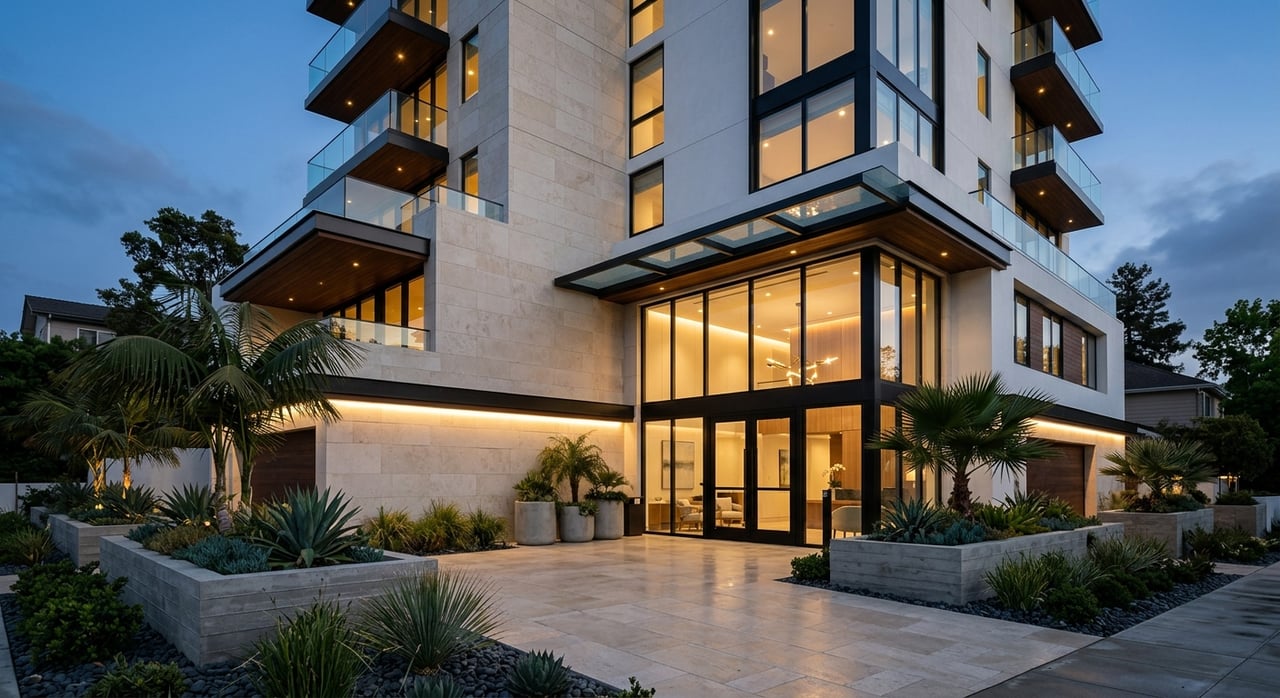
The contrast between old and new construction on Treasure Island makes the point concretely. The Pearl, a four-unit beachfront penthouse development at 10126 Gulf Boulevard, arrives with no legacy reserve gap to close and no thirty-year-old plumbing to account for in a SIRS. A building like that starts its financing life on the easy side of the new underwriting rules. A legacy building working through a post-storm special assessment, the kind Monica Pepe described at La Costa Brava, starts on the harder side, regardless of how sound its structure is once the repairs are complete.
Meanwhile, buyer demand on the island hasn't slowed. Condo sales on Treasure Island rose year over year through July 2026, and the median sale price rose as well, according to StellarMLS figures, with inventory sitting at roughly eight months of supply and sellers still closing near full asking price on average. Buyers are competing for units even as the financing rules tighten around a meaningful share of the building stock. That combination, more buyers chasing a shrinking pool of easily financeable buildings, is exactly the kind of friction that rewards a buyer who reads the SIRS before falling in love with the unit, and a seller who gets ahead of the conversation instead of leaving it for the appraisal to surface.
Before You Sign: What To Ask For
Whether you're buying or listing a condo on Treasure Island this fall, the paperwork checklist looks different than it did two years ago.
- Request the building's most recent SIRS and milestone inspection report before the inspection contingency expires, not after.
- Ask directly whether the building has been submitted for Fannie Mae or Freddie Mac Full Review, and whether it currently meets or falls short of the 15 percent reserve allocation standard.
- Confirm whether any special assessment is active, what it covers, and whether it was properly noticed under Florida's meeting and disclosure requirements.
- If you're a seller, have your association's funding plan and inspection history ready to share upfront. A building that can answer these questions clearly closes faster and negotiates from a stronger position.
- Use the full seven-day cancellation window intentionally. It exists specifically so you have time to read what you're buying into, not just the unit.
FAQ
Does every Treasure Island condo need a SIRS, or only the older ones? Any residential condo building three or more habitable stories tall needs one, regardless of age. A brand new building still has to have a SIRS on file. The milestone inspection is the piece tied to age, not the reserve study.
What if a building hasn't completed its SIRS yet? Given the December 31, 2025 deadline has already passed for most owner-controlled associations, a building without one on file is worth asking hard questions about. That's a signal to request a clear timeline from the association before writing an offer.
Can a buyer still get a loan on a building that hasn't hit the 15 percent reserve threshold? Possibly, depending on the lender and whether the building qualifies for a review waiver, but expect a narrower pool of lenders and potentially different terms. This is worth confirming with a lender early, not after an offer is under contract.
If you're weighing a purchase or a sale on Treasure Island and want a straight read on what a specific building's reserve position and inspection history actually mean for your timeline, the Natalie Scott Team works through this exact paperwork with clients across the Gulf Coast every week. Contact us before you write the offer, not after.