If you’re planning a move to Tampa because you want water, sunshine, and a more coastal way of living, one question matters more than most: what kind of coastal lifestyle do you actually want? In Tampa, that answer is not always as simple as “near the beach.” Some buyers want bay views and quick airport access, while others picture Gulf sand, marina living, or a walkable urban base near the water. This guide will help you sort through those choices, compare key areas, and build a smarter scouting plan before you make a move. Let’s dive in.
Tampa’s Coastal Layout
Tampa is a bay-first city. The City of Tampa manages four beaches along Tampa Bay: Ben T. Davis, Picnic Island, Cypress Point, and Davis Islands. That means you can enjoy a waterfront lifestyle in Tampa without living directly on the Gulf.
The broader Tampa Bay area works a little differently across the water. Pinellas County is the metro’s Gulf-beach side, with county-maintained beach parks and access sites, while Visit St. Pete-Clearwater describes 26 miles of beaches from Clearwater to Pass-a-Grille. For many relocation buyers, this Tampa-versus-Pinellas distinction is the first big decision.
Bay Access vs Gulf Access
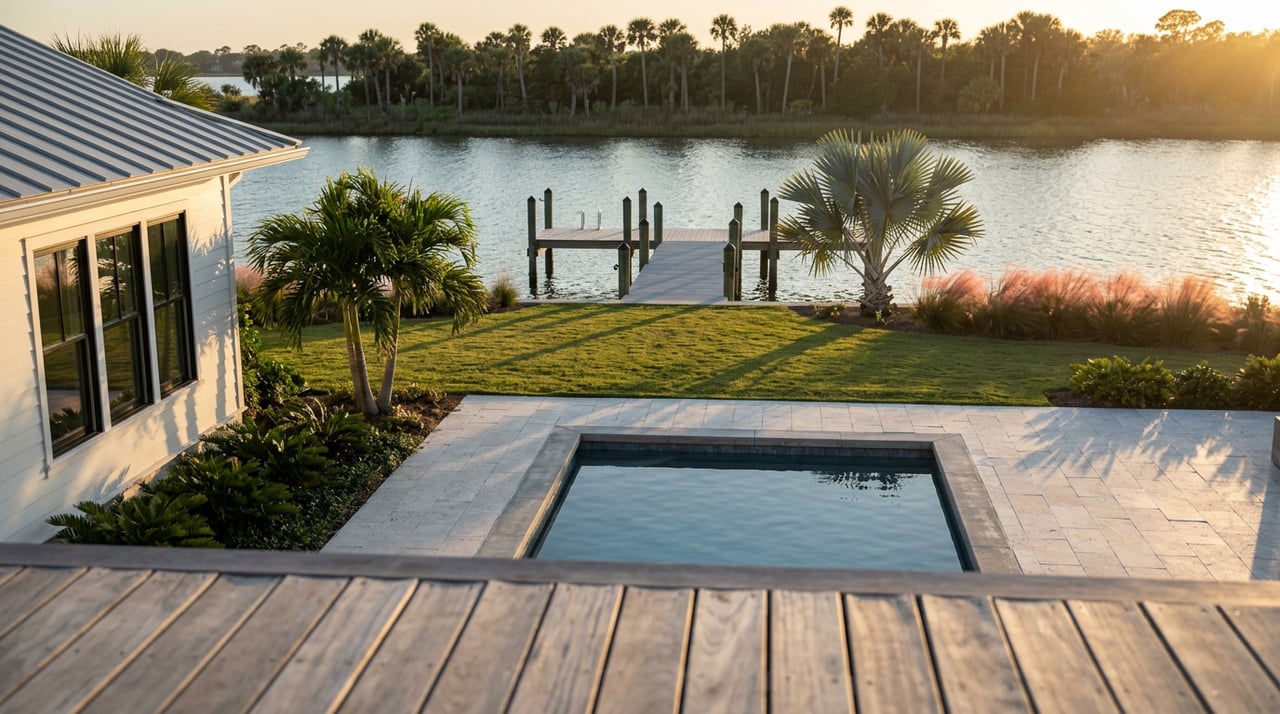
If you are coastal-minded, it helps to define your version of “close to the water.” Tampa offers bay beaches, waterfront neighborhoods, marinas, and scenic shoreline routes. Pinellas is where many buyers look for the classic Gulf-beach experience.
That difference shapes your daily life. In Tampa, you may gain easier access to downtown, business centers, and the airport while still living near the water. In Pinellas, you may be prioritizing beach time, Gulf views, and a different coastal rhythm across the bay.
Why Airport Access Matters
For many relocation buyers, water is not the only lifestyle factor. Tampa International Airport sits about five miles west of downtown on the east shore of Tampa Bay, which makes access especially important if you travel often or split time between homes.
This is one reason Tampa can feel so practical for professionals and second-home buyers. You can enjoy a coastal setting while staying relatively connected to business travel and regional mobility. If convenience matters, the airport should be part of your home search map from day one.
Cross-Bay Living and Bridge Strategy
If you expect to spend time in both Tampa and Pinellas, your bridge route can affect your routine as much as your address. The new Howard Frankland Bridge opened to traffic in summer 2025 and increased capacity by 50 percent, according to FDOT, with congestion relief and evacuation improvement as part of the project’s purpose.
The Courtney Campbell Causeway is also a scenic highway, and Highway 60 passes the airport entrance just east of the causeway’s start. For buyers who plan to work in Tampa, relax in Pinellas, or move between both sides often, bridge patterns deserve real attention during a scouting trip.
South Tampa for Waterfront Variety
South Tampa is not one single neighborhood style. It is better understood as a cluster of waterfront and near-water areas with different housing types, settings, and lifestyle advantages.
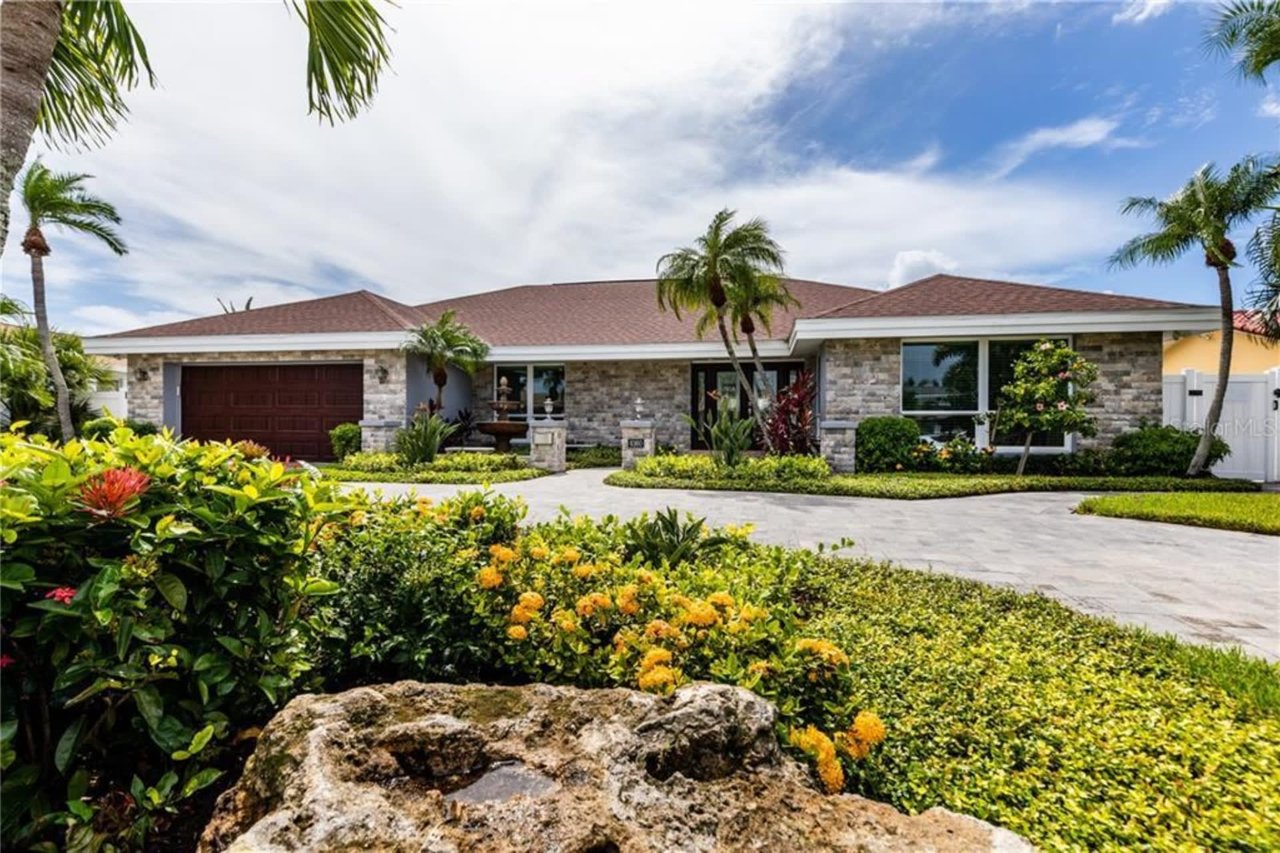
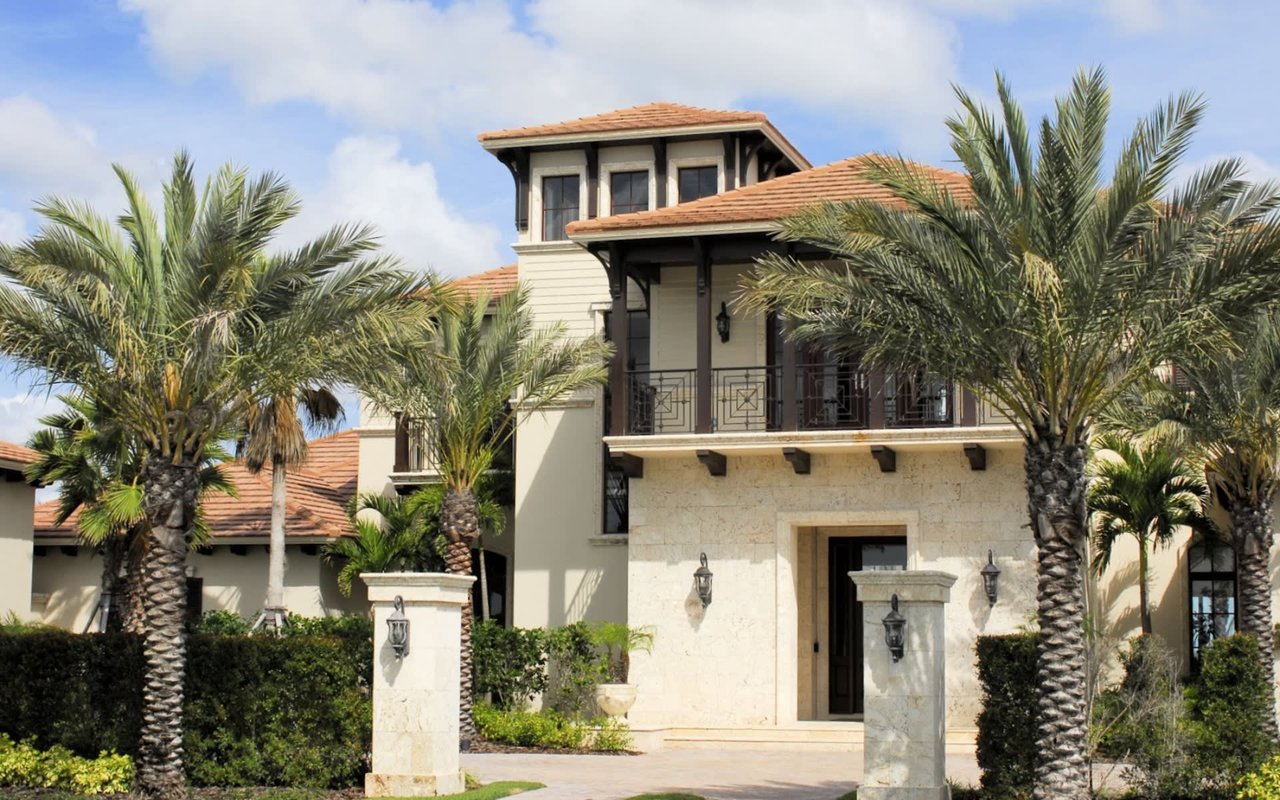
Beach Park sits on the waterfront of Old Tampa Bay and is known for large oaks, winding streets, very large lots, and original Mediterranean-style mansions. Hyde Park, immediately west of downtown, is Tampa’s oldest existing neighborhood and includes many homes from the 1920s and 1930s with direct access to Bayshore Boulevard.
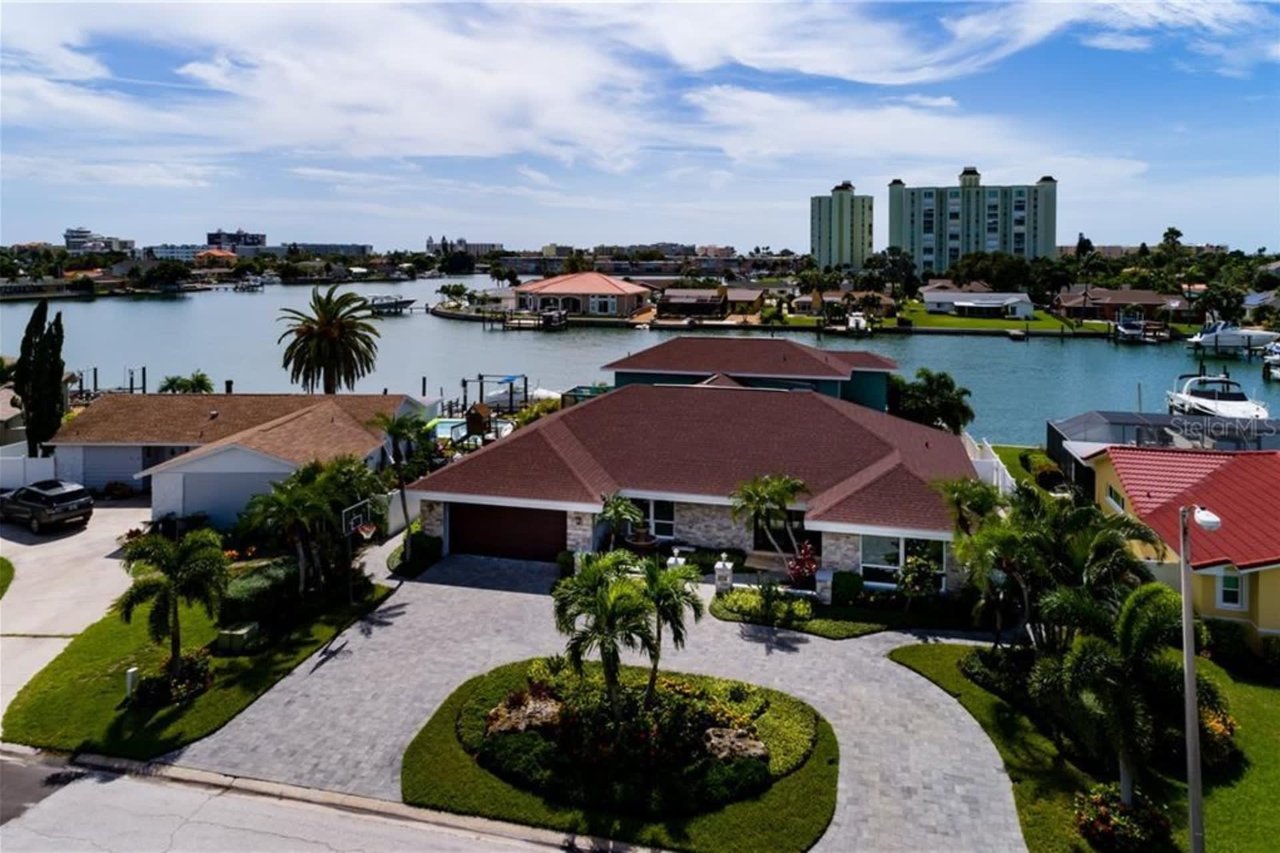
Davis Islands offers parks, water views, local shops and eateries, a yacht club, and marina access. Ballast Point Park adds a boat dock, boat ramp, and sunrise views over Hillsborough Bay. Palma Ceia Pines is described by the city as an eclectic South Tampa community with both single- and multi-family households.
For many buyers, South Tampa works because it blends coastal access with established neighborhood character. It can appeal to those who want more home variety than downtown and a stronger water connection than inland areas.
Bayshore Boulevard Lifestyle
Bayshore Boulevard is one of South Tampa’s defining features. The city describes it as a signature multi-use boulevard connecting South Tampa with downtown, and the Bayshore Linear Park Trail stretches from Platt Street to Gandy Boulevard.
The trail includes a 10-foot-wide sidewalk, an on-road bike lane, a marina connection, and water-taxi access. If your ideal daily routine includes walking by the water, biking, or staying active outdoors, this corridor may become a major factor in your search.
Downtown Tampa for Urban Waterfront Living
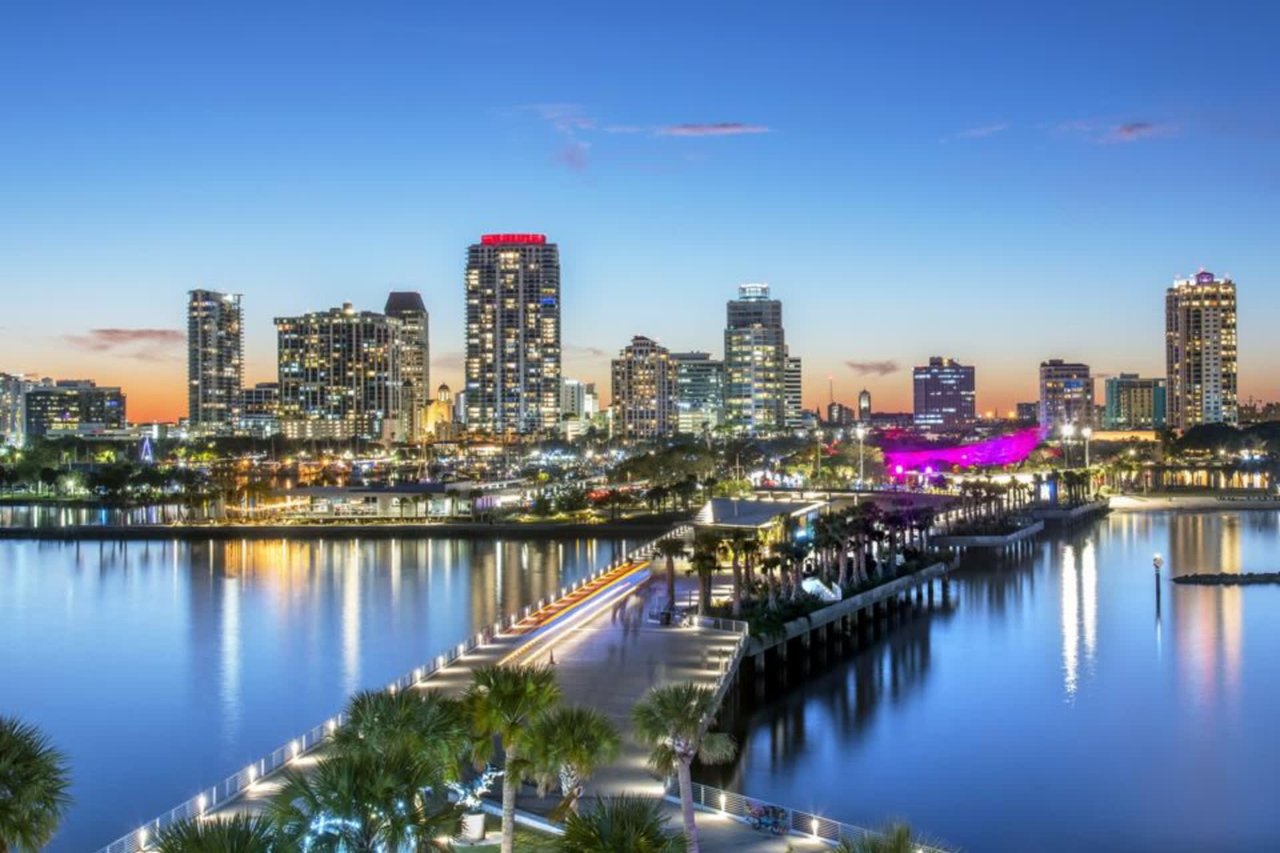
Downtown Tampa is the city’s most urban mixed-use option. The City of Tampa describes downtown as having nightlife, entertainment, a waterfront setting, and the Riverwalk, while also noting its concentration of multi-family living.
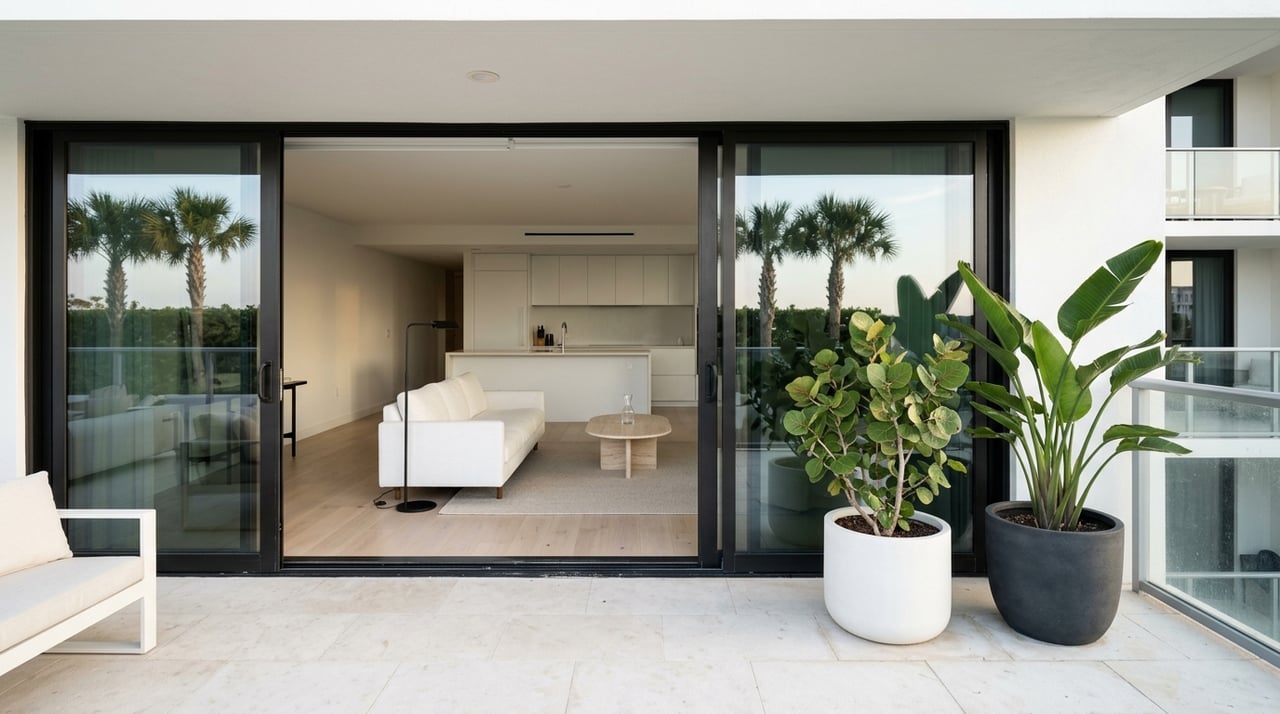
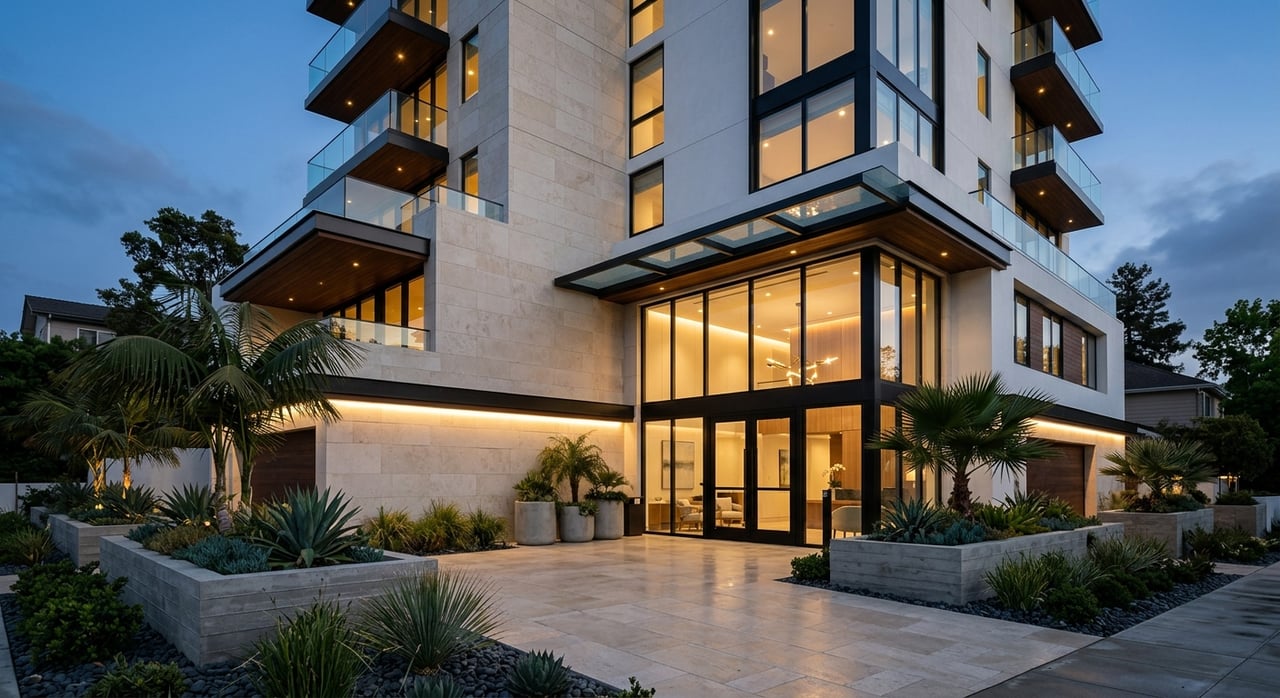
For relocation buyers, downtown is often where condo living becomes a serious option. It can be a strong fit if you want a lower-maintenance home base with access to the Riverwalk, museums, the convention center, and the downtown core.
This is also the area where practical questions become especially important. You will want to pay attention to building style, parking, walkability, and event traffic. For some buyers, that energy feels exciting. For others, it helps clarify that they want a quieter neighborhood or more space.
Tampa Heights for Historic Character
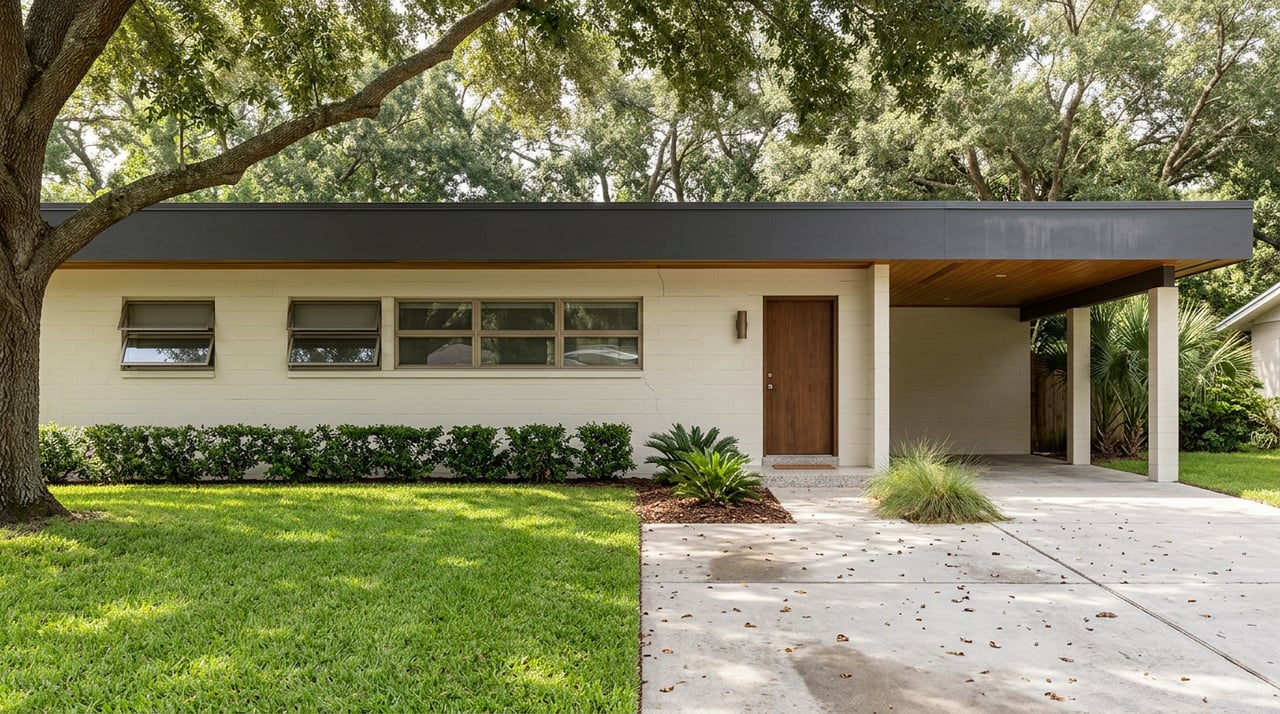
Tampa Heights sits just north of downtown and offers a different kind of in-town experience. The city describes the historic district as mainly single-family dwellings, with some churches, a school, and commercial buildings, and notes bungalow-era detailing, quality craftsmanship, and grand trees.
The area also includes ongoing mixed-use redevelopment near Armature Works, Pearl Apartments, Heights Union, and Sprouts. That gives Tampa Heights a more transitional feel than some of the older South Tampa enclaves.
If you like historic housing and want to stay close to the urban core, Tampa Heights is worth seeing in person. It can offer a mix of older home character and evolving neighborhood amenities that feels distinct from both downtown and traditional waterfront pockets.
Carrollwood for Inland Space
Carrollwood offers an inland suburban comparison point. In the City of Tampa’s locational assessment, Carrollwood is part of the northwest sector that is described as primarily lower-density and established residential with limited land for new growth.
For coastal-minded buyers, Carrollwood helps answer a practical question: how much water adjacency do you really need? If you want more space, less urban intensity, and an established suburban setting, this area may appeal to you even if it is not your original vision.
Sometimes relocation decisions become clearer through contrast. Touring Carrollwood after seeing downtown and South Tampa can help you decide whether your priority is shoreline lifestyle, in-town access, or square footage and lot size.
Typical Home Styles by Area
Here is a simple way to compare Tampa’s core options:
| Area | Typical Home Stock | Lifestyle Feel |
|---|---|---|
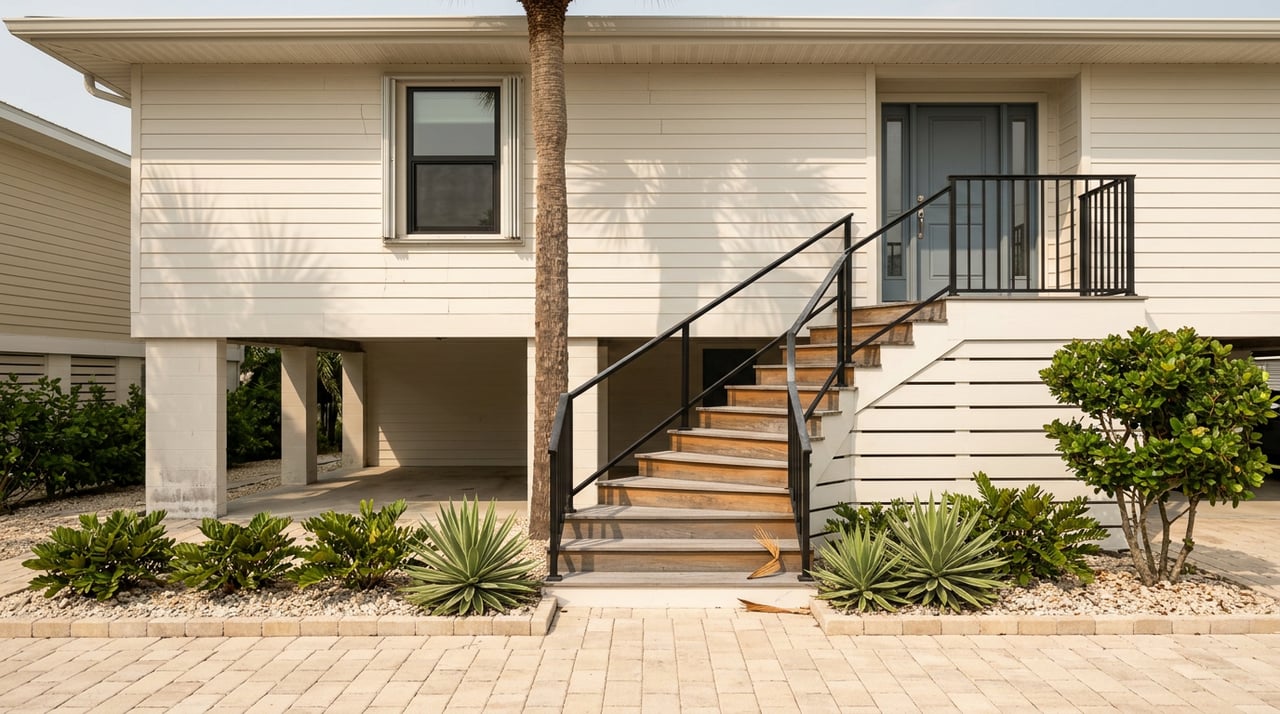
| South Tampa | Historic single-family homes, larger-lot waterfront properties, some mixed single- and multi-family pockets | Established, near-water, lifestyle-driven |
| Downtown Tampa | Mostly multi-family, condo, and other urban residential product | Urban, walkable, lower-maintenance |
| Tampa Heights | Mainly historic single-family housing, plus some commercial and newer redevelopment | Historic, evolving, close-in |
| Carrollwood | Lower-density established suburban residential | Inland, spacious, more suburban |
Flood Zones and Evacuation Zones
One of the most important tips for coastal-minded buyers is to separate flood zones from evacuation zones. The City of Tampa says Hillsborough County evacuation zones run from A to E, some parts of the county are not in an evacuation zone, and every property is in a flood zone.
That distinction matters. A home’s relationship to water may affect more than views or access. The city also notes that low-lying areas are most susceptible to flooding and evacuation, so waterfront and near-water homes should be checked on both maps, not just one.
This is especially important when comparing addresses that may feel similar on a casual drive. Two homes can both offer a coastal feel but carry different practical considerations based on location and elevation.
Water Access Questions to Ask
Before you narrow your search, define the kind of access that matters most to you. Not every buyer means the same thing when they say they want a coastal home.
Ask yourself:
- Do you want a bay beach or a Gulf beach?
- Do you want marina access?
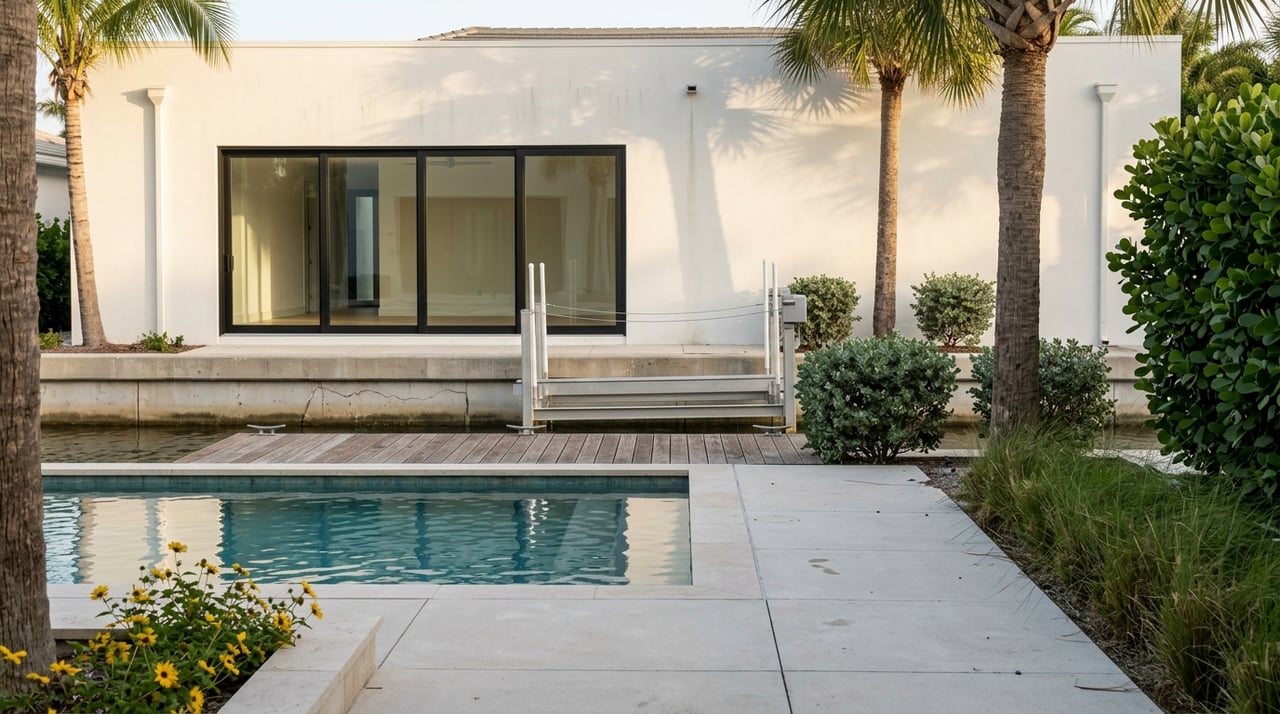
- Do you want a dock or boating setup?
- Do you want riverfront or bayfront views?
- Do you mainly want a scenic walking route near the water?
Tampa’s city beaches are on Tampa Bay, while Pinellas delivers the Gulf-beach side of the metro. That single difference often drives where relocation buyers focus first.
Maintenance and Stormwater Tradeoffs
A coastal lifestyle can come with different property considerations. South Tampa includes both historic homes and larger-lot waterfront properties, but the city is also funding drainage and stormwater work in areas such as Beach Park and South Manhattan Avenue.
That is a useful reminder that beauty and practicality should be evaluated together. Street flooding, drainage, and the demands of larger or older homes are worth discussing as part of your due diligence.
By comparison, downtown and Tampa Heights can offer more urban, lower-maintenance options. Carrollwood may appeal if you want to reduce some water-adjacent tradeoffs while keeping an established residential setting.
How to Plan a Tampa Scouting Trip
A smart scouting trip should help you compare lifestyles, not just properties. One useful sequence is to start with downtown and the Riverwalk, then head to Tampa Heights, continue through a South Tampa waterfront loop, drive across the bay into Pinellas, and finish in Carrollwood.
This route gives you a strong side-by-side comparison in one visit. You can experience condo living, historic in-town streets, waterfront single-family areas, bridge patterns, and inland suburban neighborhoods without guessing from a map.
Four Questions to Use at Every Stop
As you tour each area, keep four questions in mind:
- How long does it take to reach the water you actually want?
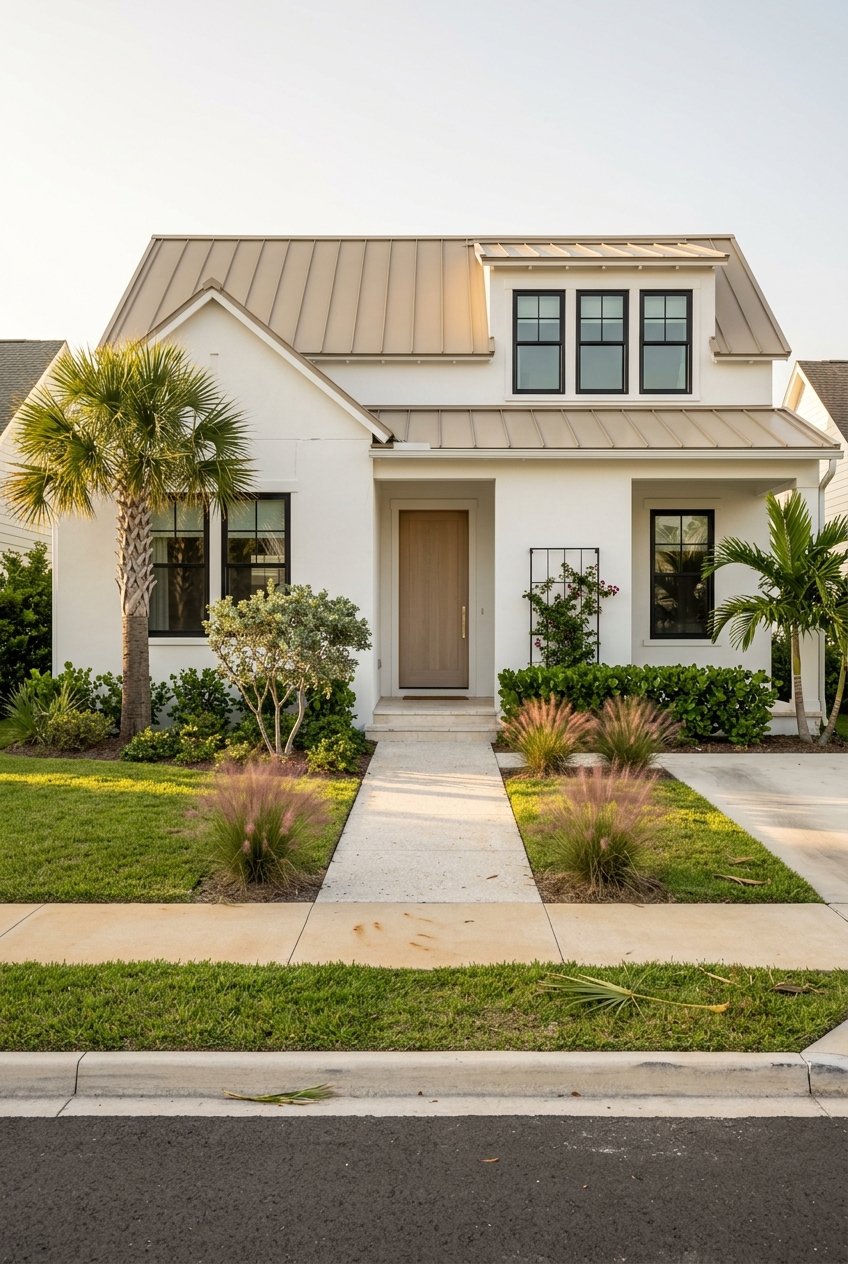
- What kind of home stock dominates the block?
- What flood or evacuation context applies to the address?
- What bridge or major corridor will shape your daily routine?
These questions can turn a generic relocation trip into a more confident decision-making process. They help you focus on the lived experience of each area, not just the listing photos.
The Best Fit Starts With Clarity
Tampa can be an excellent fit for coastal-minded buyers, but the right fit depends on how you define coastal living. For some, it means South Tampa water views and Bayshore mornings. For others, it means a downtown condo near the waterfront, a historic home in Tampa Heights, or a cross-bay lifestyle that includes frequent time in Pinellas.
The more clearly you understand your priorities, the easier it becomes to choose the right side of the bay, the right neighborhood type, and the right home. If you want experienced guidance as you compare Tampa, Pinellas, and the broader coastal corridor, Natalie Scott can help you build a relocation plan around the lifestyle you actually want.
FAQs
What kind of beaches are in Tampa for relocation buyers?
- Tampa’s city-managed beaches are on Tampa Bay, including Ben T. Davis, Picnic Island, Cypress Point, and Davis Islands.
What is the difference between Tampa and Pinellas for coastal homebuyers?
- Tampa is generally the bay-oriented side of the metro, while Pinellas is better known for the Gulf-beach experience.
Which Tampa areas should coastal-minded buyers tour first?
- A practical first tour often includes Downtown Tampa, Tampa Heights, South Tampa, a cross-bay drive into Pinellas, and Carrollwood for comparison.
What home types are common in South Tampa for relocation buyers?
- South Tampa includes historic single-family homes, larger-lot waterfront properties, and some mixed single- and multi-family pockets.
What home types are common in Downtown Tampa for relocation buyers?
- Downtown Tampa is mostly made up of multi-family, condo, and other urban residential housing options.
Why should Tampa coastal buyers check flood zones and evacuation zones?
- The City of Tampa says every property is in a flood zone, while evacuation zones vary, so buyers should review both when evaluating an address.
Is Carrollwood a good option for Tampa buyers who want more space?
- Carrollwood can be a useful inland option for buyers who want a lower-density, established suburban setting with more space and less urban intensity.
Why does bridge choice matter for Tampa Bay relocation buyers?
- If you plan to split time between Tampa and Pinellas, your bridge or causeway route can have a major impact on convenience, commute patterns, and daily lifestyle.